Impact Stories of YAPAD
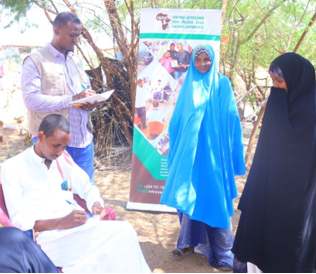
The following short stories highlight YAPAD’s measurable impact in promoting Youth, Peace, and Security (YPS), gender equality, and inclusion of marginalized groups across the Horn of Africa border regions. Case Story 1: Building Peace Across Borders (2024) In 2024, through the DERIS WANNAG initiative supported by Adam Smith International, YAPAD successfully mediated inter-clan tensions at the Mandera border. The project created dialogue spaces where elders, women, and youth collectively addressed cattle rustling and resource-sharing disputes. A highlight was the reconciliation pact signed between rival clans, which reduced violent incidents by 40% within six months. Youth who once considered cross-border raids were instead recruited as peace monitors. This intervention demonstrated YAPAD’s unique ability to bridge traditional conflict resolution with modern peacebuilding, ensuring that grassroots voices influence sustainable peace outcomes. Case Story 2: Women Empowerment through Digital Skills (2025) In 2025, YAPAD launched a women’s digital skills training initiative targeting young women in Mandera and Dawa. Fatuma, a 22-year-old unemployed youth, learned basic ICT and digital entrepreneurship skills through the program. Within months, she established a small online tailoring business, reaching clients across the border. Beyond her personal success, Fatuma became a role model, training other young women in her village. The project not only enhanced women’s economic participation but also challenged gender stereotypes, proving that when women are empowered with skills and opportunities, they can drive inclusive growth and contribute to peaceful, resilient communities. Case Story 3: Youth Resilience Against Extremism (2023) In 2023, YAPAD implemented the Enhancing Community Resilience in CVE project in the Mandera border triangle. One beneficiary, Ahmed, a 19-year-old at risk of recruitment into extremist groups, joined YAPAD’s mentorship and sports-for-peace program. Through football tournaments, leadership training, and dialogue sessions, Ahmed gained confidence and a renewed sense of purpose. He later became a peer mentor, reaching over 50 at-risk youth with positive messages of peace. The project reduced youth vulnerability to extremist narratives, strengthened community trust, and demonstrated how grassroots youth-led initiatives can transform potential risks into powerful drivers of peace and social cohesion. wing short stories highlight YAPAD’s measurable impact in promoting Youth, Peace, and Security (YPS), gender equality, and inclusion of marginalized groups across the Horn of Africa border regions. Case Story 1: Building Peace Across Borders (2024) In 2024, through the DERIS WANNAG initiative supported by Adam Smith International, YAPAD successfully mediated inter-clan tensions at the Mandera border. The project created dialogue spaces where elders, women, and youth collectively addressed cattle rustling and resource-sharing disputes. A highlight was the reconciliation pact signed between rival clans, which reduced violent incidents by 40% within six months. Youth who once considered cross-border raids were instead recruited as peace monitors. This intervention demonstrated YAPAD’s unique ability to bridge traditional conflict resolution with modern peacebuilding, ensuring that grassroots voices influence sustainable peace outcomes. Case Story 2: Women Empowerment through Digital Skills (2025) In 2025, YAPAD launched a women’s digital skills training initiative targeting young women in Mandera and Dawa. Fatuma, a 22-year-old unemployed youth, learned basic ICT and digital entrepreneurship skills through the program. Within months, she established a small online tailoring business, reaching clients across the border. Beyond her personal success, Fatuma became a role model, training other young women in her village. The project not only enhanced women’s economic participation but also challenged gender stereotypes, proving that when women are empowered with skills and opportunities, they can drive inclusive growth and contribute to peaceful, resilient communities. Case Story 3: Youth Resilience Against Extremism (2023) In 2023, YAPAD implemented the Enhancing Community Resilience in CVE project in the Mandera border triangle. One beneficiary, Ahmed, a 19-year-old at risk of recruitment into extremist groups, joined YAPAD’s mentorship and sports-for-peace program. Through football tournaments, leadership training, and dialogue sessions, Ahmed gained confidence and a renewed sense of purpose. He later became a peer mentor, reaching over 50 at-risk youth with positive messages of peace. The project reduced youth vulnerability to extremist narratives, strengthened community trust, and demonstrated how grassroots youth-led initiatives can transform potential risks into powerful drivers of peace and social cohesion.